

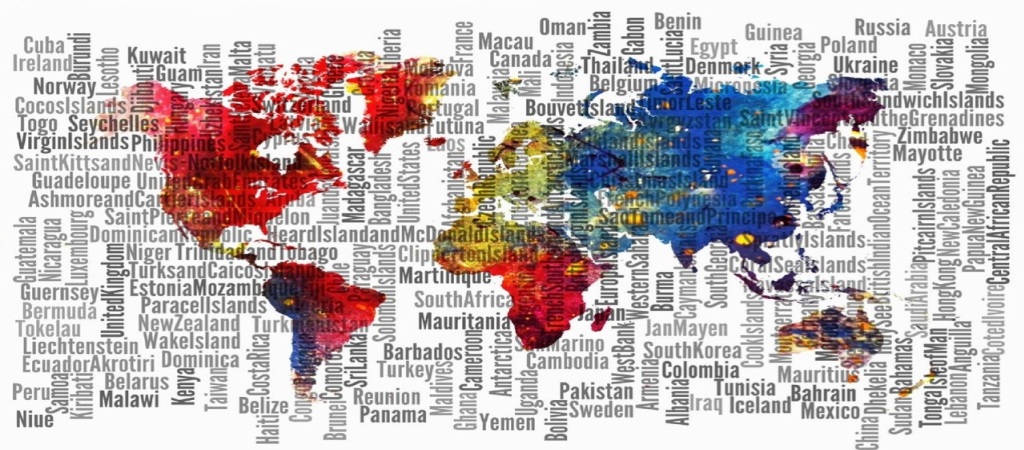
A new U.S. policy will suspend issuance of immigrant visas for nationals of 75 countries starting January 21, 2026. Consulates may still accept applications and hold interviews, but cases cannot finalize with visa approval.

H1B VISA APPLICATIONS ENTER A NEW ERA- Costs and Opportunities for Companies
The U.S. employment landscape is shifting as employers face new filing costs and selection rules under the H-1B Visa program. While entry from abroad becomes more expensive, hiring workers already in lawful U.S. status may now offer a strategic advantage.

FINAL H-1B WEIGHTED SELECTION RULE | Transition from Random Lottery to Wage-Weighted Selection
Many skilled professionals come to the United States each year through the H-1B Visa program, seeking new job opportunities and a better future. Understanding the process and requirements is essential to submitting a strong application.

RENEWABLE ENERGY MARKET IN THE UNITED STATES | Entry Strategies for Turkish Energy Companies
This report explores how Turkish energy companies can strategically expand into the U.S. renewable energy market. It highlights policy incentives, investment opportunities, and competitive advantages.

B-1 VISA VIOLATIONS: REDUCING REGULATORY RISKS
Companies often underestimate the strict limits of the B1 Visa, exposing themselves to legal and operational risks. This article explains how unauthorized employment can trigger corporate liability and jeopardize compliance programs.

H-1B DENIED? DISCOVER THE VISA OPTIONS USCIS STILL ACCEPTS
An H-1B denial can feel like the end of your U.S. career, but it is often the turning point that opens new pathways. With the right legal strategy, you can transform this setback into a renewed immigration plan.
RESHAPING IMMIGRATION POLICY UNDER THE TRUMP ADMINISTRATION – How the Afghan Asylum Incident Is Changing the Rules
The article examines how the recent Afghan asylum incident has reshaped national debates on security, executive power, and U.S. immigration policy. It evaluates the constitutional limits of presidential authority and the implications of increased vetting and enforcement proposals.

HEALTHCARE INSTITUTIONS: WORKFORCE IMMIGRATION STRATEGY – Reducing legal risk while strengthening talent acquisition
A comprehensive immigration strategy has become essential for healthcare institutions across the United States as patient demand rises and the clinical workforce declines. From visa planning to licensing and compliance, healthcare organizations must leverage international talent to ensure stability, quality of care, and long-term competitiveness.

IMMIGRATION PLANNING FOR AI STARTUPS: THE EDGE – How the hottest AI startups turn strategy into competitive advantage?
Strategic immigration planning can determine whether an AI startup accelerates or falls behind in the global talent race. This article explores how companies leverage multilayered visa strategies to secure key engineering roles and maintain competitive momentum.

E-2 VS. L-1 VISAS – How Investors and Multinational Corporations Can Enter The U.S. Market?
Discover how multinational corporations and global entrepreneurs can enter the U.S. market through the L-1 or E-2 investor visa. This guide explains which visa best supports your business expansion—corporate transfer or hands-on investment.
