The H-1B Visa Project Firewall introduces the most aggressive enforcement actions yet against H-1B compliance violations. Tech employers must act now to reduce risk and ensure full regulatory compliance.
This case study explains how multinational companies can strategically use the L-1 Visa to expand operations into the United States. It focuses on executive transfers, USCIS compliance, and long-term business growth.
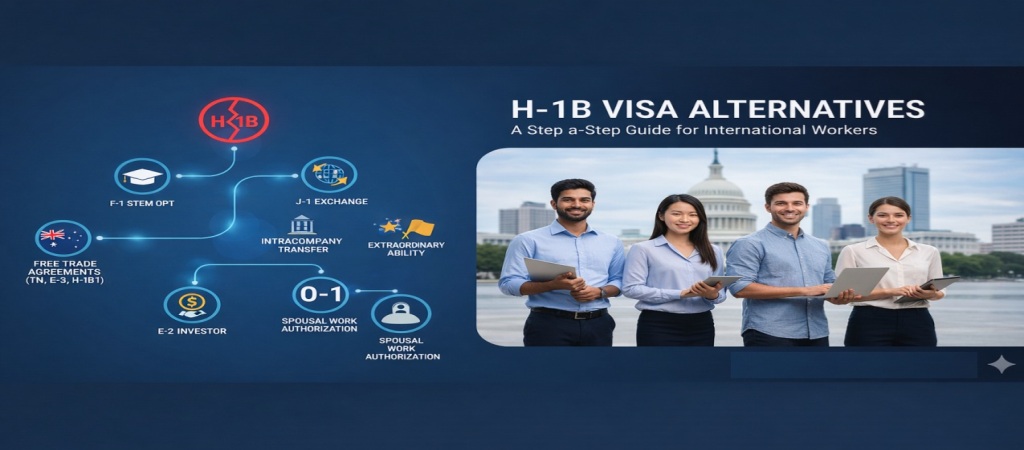
Didn’t win the H-1B lottery? Explore proven H-1B visa alternatives—such as STEM OPT, L-1, O-1, and treaty-based visas—to keep your U.S. career moving forward.
Renewable energy investments in the U.S. offer powerful immigration opportunities through E-2, EB-5, and NIW visa options. Choosing the right visa is key to aligning capital, compliance, and long-term goals.
Texas can help foreign investors execute faster and build stronger operational proof for U.S. filings. Learn which visas fit best and how to document funding, control, and hiring credibly.
A new U.S. policy will suspend issuance of immigrant visas for nationals of 75 countries starting January 21, 2026. Consulates may still accept applications and hold interviews, but cases cannot finalize with visa approval.
The U.S. employment landscape is shifting as employers face new filing costs and selection rules under the H-1B Visa program. While entry from abroad becomes more expensive, hiring workers already in lawful U.S. status may now offer a strategic advantage.
Many skilled professionals come to the United States each year through the H-1B Visa program, seeking new job opportunities and a better future. Understanding the process and requirements is essential to submitting a strong application.
This report explores how Turkish energy companies can strategically expand into the U.S. renewable energy market. It highlights policy incentives, investment opportunities, and competitive advantages.
Companies often underestimate the strict limits of the B1 Visa, exposing themselves to legal and operational risks. This article explains how unauthorized employment can trigger corporate liability and jeopardize compliance programs.